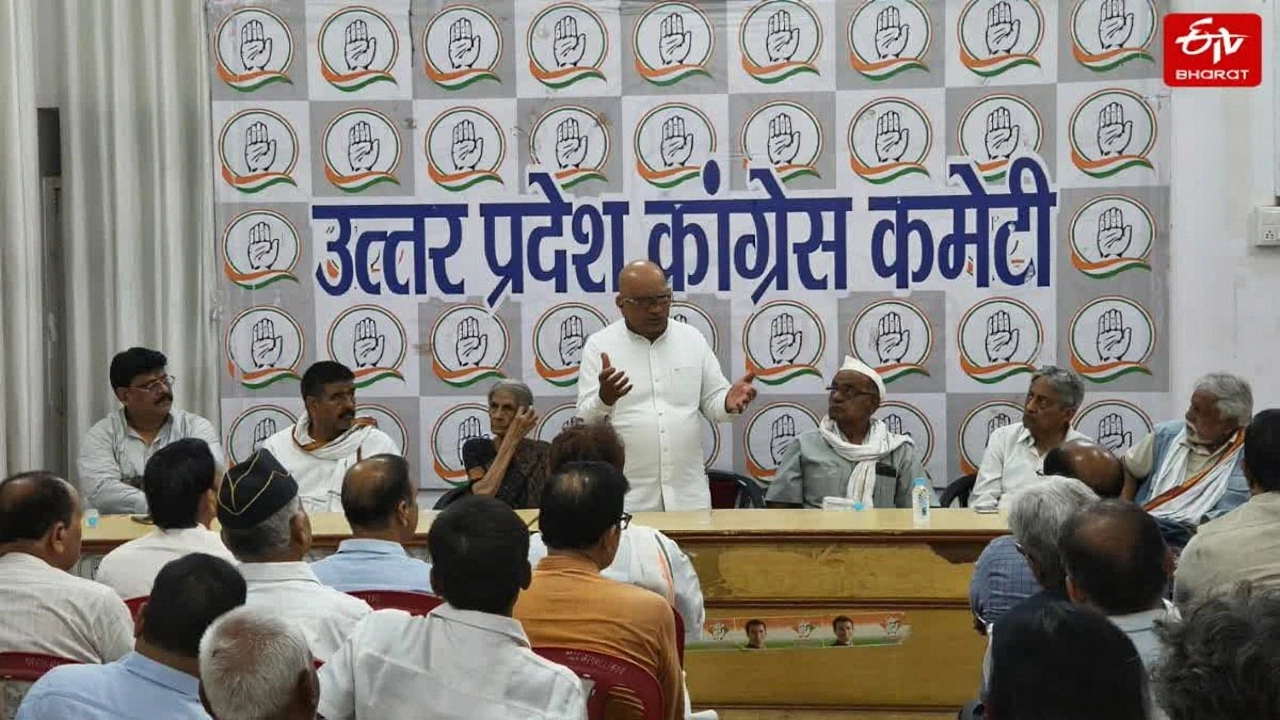
When Rahul Gandhi, former president of the Indian National Congress, stepped back from the daily grind of parliamentary politics, he didn't disappear. Instead, he became the symbolic heartbeat of a party fighting for its political life. The recent surge in rhetoric from state-level Congress leaders—declaring themselves "soldiers" in the fight to protect democracy—signals a shift. It’s not just about winning the next election; it’s about survival.
Here's the thing: while specific viral quotes from individual state presidents may circulate on social media without immediate mainstream verification, the broader narrative is undeniable. The Indian National Congress is mobilizing around Gandhi as its central figurehead, framing their struggle as a defense of democratic institutions against what they perceive as authoritarian overreach by the ruling Bharatiya Janata Party (BJP).
The Core Message: Justice and Unity
To understand this wave of loyalty declarations, you have to look at the release of the Nyay Patra manifestoNew Delhi. This wasn't just another policy document. Titled "Nyay Patra" (Justice Manifesto), it was launched at the Congress headquarters in New Delhi with top leadership present, including current president Mallikarjun Kharge and senior leader Sonia Gandhi.
The twist is that the manifesto isn't dry policy jargon. It’s built on five pillars of justice: Shareholder Justice, Farmer Justice, Women’s Justice, Laborer Justice, and Youth Justice. Kharge described it as a historic document born out of the insights gained during Gandhi’s massive Bharat Jodo Nyay Yatra. He argued that these 25 guarantees embedded in the manifesto are designed to benefit specific, often marginalized groups. It’s a direct appeal to the grassroots, positioning Gandhi not just as a politician, but as a listener who traveled thousands of miles to hear people’s pain.
Why the "Soldier" Rhetoric Matters
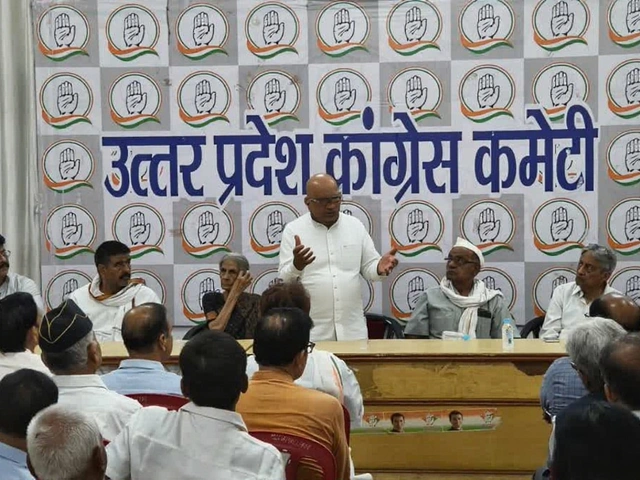
So why are state leaders calling themselves soldiers? In Indian political culture, this language carries weight. It implies sacrifice, discipline, and unwavering allegiance. For years, the Congress party has struggled with internal fragmentation. By rallying explicitly around Gandhi, state units are signaling unity. They’re telling their base: "We are standing together against a common enemy."
This rhetoric also serves a strategic purpose. With Gandhi facing multiple legal cases and public scrutiny, framing his supporters as defenders of democracy reframes the narrative. It moves the conversation away from personal controversies and toward systemic issues like institutional erosion and economic inequality. It’s a classic pivot, but one that resonates deeply with the party’s traditional voter base.
Youth Focus: The Agniveer Controversy
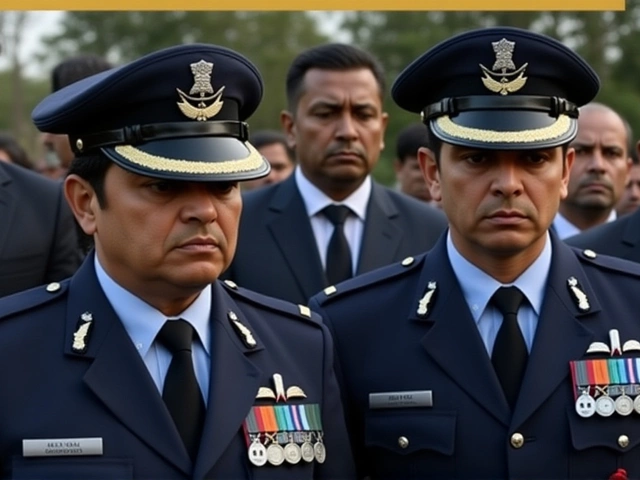
One area where this messaging has sharpened is youth engagement. During the Bharat Jodo Nyay Yatra, Gandhi made headlines by criticizing the Agniveer scheme, the government’s new military recruitment policy. He promised to scrap it if the Congress formed the government after the Lok Sabha elections.
This promise struck a nerve. Young Indians, particularly those from rural backgrounds who traditionally viewed army service as a stable career path, felt betrayed by the short-term contract nature of Agniveer. By aligning himself with their grievances, Gandhi tapped into a massive demographic frustration. State leaders echoing this stance aren’t just supporting Gandhi; they’re validating the anger of millions of young voters who feel left behind by current economic policies.
Historical Context: From UPA to Opposition
To get the full picture, we need to rewind. The Congress-led United Progressive Alliance (UPA) government between 2004 and 2014 claimed credit for lifting 14 crore people out of poverty. That statistic remains a key part of their campaign lore. However, the last decade has been brutal for the party. Losing power nationally and in many states forced a rethink.
The current strategy relies heavily on nostalgia mixed with future promises. They remind voters of past welfare schemes like MGNREGA while promising renewed focus on employment and farmer support. The contrast is stark: the BJP emphasizes national pride and infrastructure, while Congress emphasizes social justice and economic relief. These two visions are clashing head-on in every upcoming election cycle.
What’s Next for the Congress?
The road ahead is uncertain. While the emotional connection with Gandhi is strong, translating that into votes requires ground-level organization. State presidents declaring loyalty is step one. Step two is delivering results. Can they unify diverse regional factions under the "Nyay" banner? Can they effectively counter the BJP’s organizational machinery?
Experts suggest that the next 12 months will be critical. Upcoming state assembly elections will serve as bellwethers. If the "soldier" rhetoric translates into disciplined campaigning and increased vote share, the Congress could regain relevance. If not, the risk of further marginalization looms large. The details of their local strategies remain unclear, but the intent is visible: all eyes are on Gandhi, and all bets are off until the ballots are counted.
Frequently Asked Questions
Who is leading the Indian National Congress currently?
The current president of the Indian National Congress is Mallikarjun Kharge. He took office in October 2022, succeeding Sonia Gandhi. However, Rahul Gandhi, the son of Sonia Gandhi, remains the most prominent face of the party and leads major campaigns like the Bharat Jodo Nyay Yatra, effectively acting as the primary campaigner and ideological guide despite not holding the presidential title.
What is the 'Nyay Patra' manifesto?
The Nyay Patra is the Indian National Congress's election manifesto for the 2024 Lok Sabha elections. Released in May 2024, it focuses on five pillars of justice: Shareholder, Farmer, Women, Laborer, and Youth. It outlines 25 specific guarantees aimed at addressing economic inequality and social welfare, serving as the core policy framework for the party's opposition stance against the ruling BJP government.
Why are Congress leaders referring to themselves as 'soldiers' of Rahul Gandhi?
This rhetorical choice signifies deep loyalty and a unified front. By calling themselves "soldiers," state-level leaders emphasize their commitment to Gandhi’s leadership and the party’s mission to protect democratic values. It frames the political struggle as a moral battle rather than just an electoral contest, aiming to galvanize supporters and present a cohesive image amidst previous internal party divisions.
What is the Agniveer scheme controversy?
The Agniveer scheme is a new military recruitment policy introduced by the Modi government, offering four-year contracts instead of lifelong careers for young recruits. Rahul Gandhi strongly criticized this move during his yatra, promising to scrap it if elected. This stance resonated with many youths and families who viewed the change as a betrayal of traditional job security in the armed forces, making it a significant political issue for the Congress party.
How does the Congress plan to win back voters?
The Congress strategy hinges on combining emotional appeal with policy promises. They leverage Rahul Gandhi’s popularity and his grassroots connections from the Bharat Jodo Nyay Yatra. Simultaneously, they highlight past achievements like poverty reduction during the UPA era and propose new welfare measures through the Nyay Patra. The goal is to position themselves as the party of social justice and economic relief for the marginalized.